
Credit Scores and Their Impact on SME Lending
4 October 2025
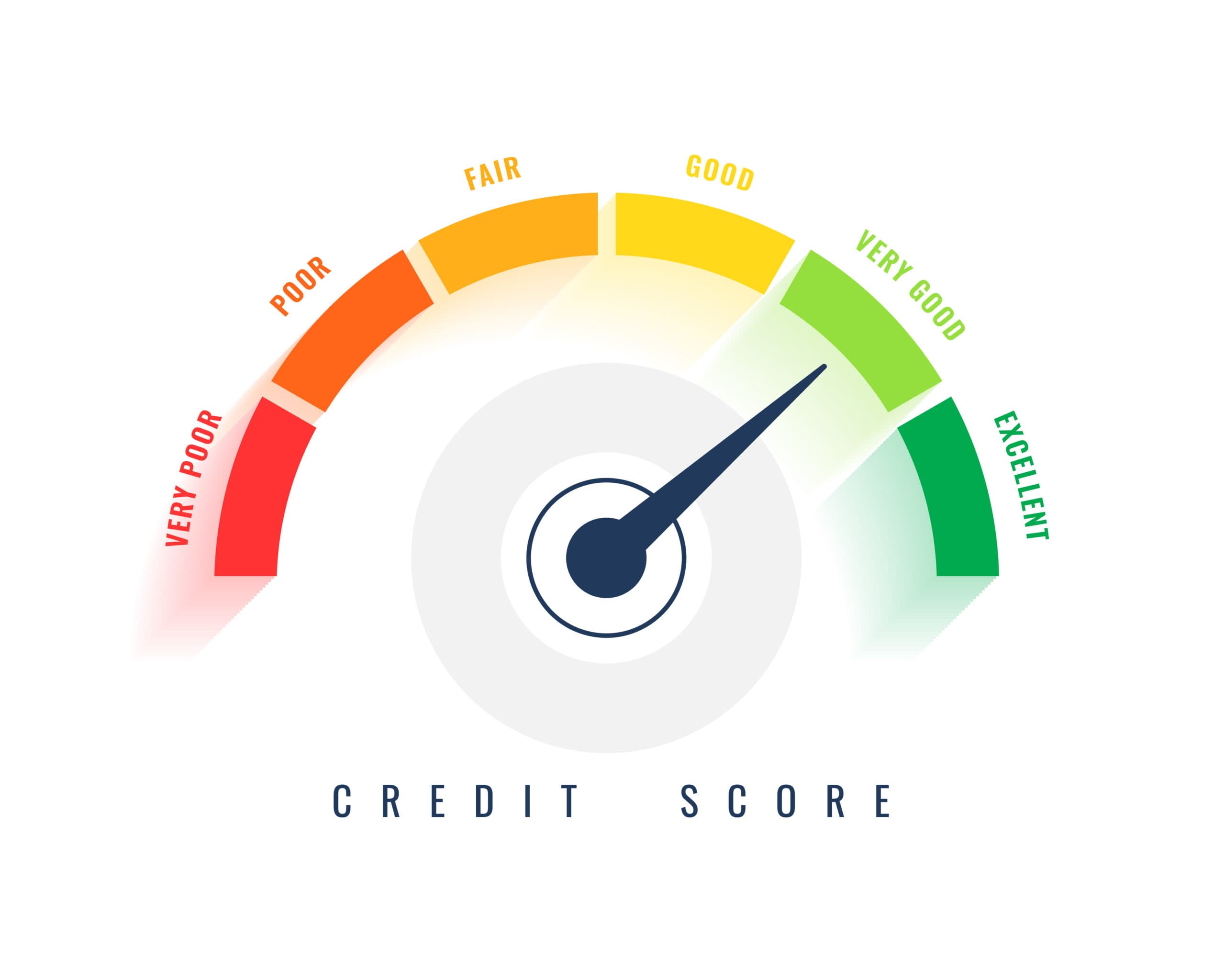
When applying for a business loan, one of the most critical factors lenders consider is your credit score. Whether you're seeking financing from a traditional bank, a fintech platform, or a government-backed scheme, your creditworthiness plays a major role in determining your eligibility, loan amount, interest rate, and repayment terms. In this article, we’ll break down what credit scores are, how they affect SME lending, and what you can do to improve yours before applying for a loan.
What Is a Credit Score?
A credit score is a numerical representation of your creditworthiness, based on your past borrowing and repayment behavior. In Singapore, credit scores for individuals are typically issued by the Credit Bureau Singapore (CBS), while business credit assessments are conducted by agencies like DP Credit Bureau and Experian.
For SMEs, lenders may assess:
- The business’s credit profile
- The personal credit score of the business owner(s)(especially for sole proprietors or young companies)
- Repayment historyon previous loans or credit lines
- Outstanding debtsand credit utilization
Why Credit Scores Matter in SME Lending
Lenders use credit scores to evaluate risk. A higher score indicates responsible financial behavior and lowers the perceived risk of default. This can lead to:
High credit score
✅ Higher chances of loan approval ✅ Access to larger loan amounts ✅ Lower interest rates ✅ More favorable repayment terms
Low credit score
❌ Loan rejection ❌ Higher interest rates ❌ Requirement for collateral or guarantors
According to Enterprise Singapore, even for government-backed loans like the Enterprise Financing Scheme – SME Working Capital Loan, approvals are still subject to the participating financial institution’s credit assessment.
What Affects Your Credit Score?
Key factors include:
- Payment history Late or missed payments negatively impact your score.
- Credit utilization Using a high percentage of your available credit can signal financial stress.
- Length of credit history A longer track record of responsible borrowing is favorable.
- Credit mix A healthy mix of credit types (e.g., term loans, credit lines) can boost your score.
- Recent credit inquiries Too many loan applications in a short time can lower your score.
How to Improve Your Credit Score Before Applying
- Pay bills and loans on time Set up reminders or auto-payments.
- Reduce outstanding debt Aim to keep credit utilization below 30%.
- Avoid unnecessary credit applications Only apply when necessary.
- Check your credit report Look for errors or outdated information and dispute them if needed.
- Build a credit history Even small loans or credit lines, when managed well, can help.
Conclusion: Credit Confidence Leads to Loan Success
Understanding and managing your credit score is a vital part of preparing for a business loan. By maintaining a strong credit profile, you not only improve your chances of approval but also gain access to better financing options that can support your SME’s growth.